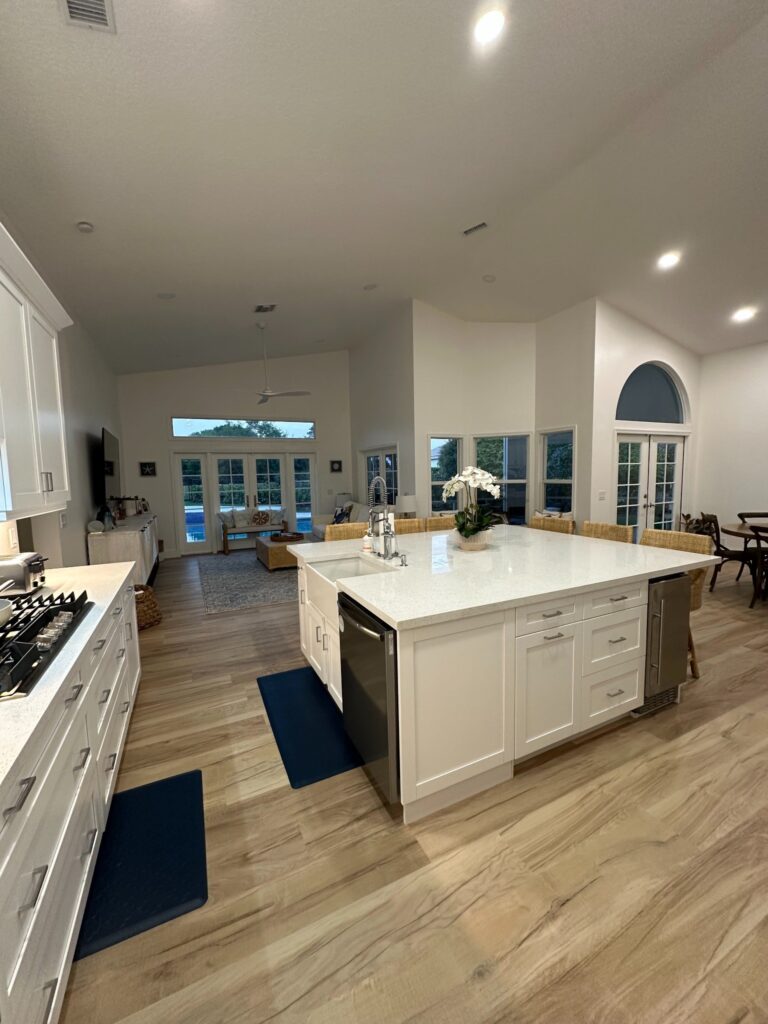
How Long Does a Home Renovation Actually Take? Setting Realistic Timeline Expectations
You’ve decided to renovate. You’ve got a budget figured out. Now comes the question that affects your daily life: how long is this going to take? Whether you’re living through the renovation or planning to move out temporarily, understanding realistic timelines helps you prepare mentally and logistically for what’s ahead.
The Honest Truth About Renovation Timelines
Most renovations take longer than homeowners expect. That’s not pessimism, it’s just reality. Between permitting delays, material lead times, subcontractor scheduling, and the inevitable surprises that come with opening up walls, timelines stretch. Planning for this from the start reduces frustration later.
The scope of work obviously matters most. A bathroom refresh with surface-level updates takes weeks. A full gut renovation of a kitchen takes months. Whole home renovations can stretch six months to over a year depending on the extent of the work.
Typical Timelines by Project Type
Bathroom Renovations
A straightforward bathroom renovation, where you’re replacing fixtures, tile, and vanity without moving plumbing, typically takes three to five weeks once construction starts. Add in design decisions, ordering materials, and permitting, and you’re looking at two to three months from start to finish. Relocating plumbing or expanding the footprint adds several more weeks to the construction phase.
Kitchen Remodels
Kitchen renovations demand more time because they involve more trades and more complex coordination. A mid-range kitchen remodel typically takes eight to twelve weeks of construction time. Custom cabinetry alone can have lead times of six to twelve weeks before it even arrives on site. From initial design through completion, plan for four to six months minimum for a full kitchen renovation.
Whole Home Renovations
Comprehensive home renovations that touch multiple rooms, update systems, and involve structural work generally take six months to a year. Extensive projects involving additions or major reconfiguration can push past a year. The design and permitting phase alone for large projects can take two to four months before construction even begins.
What Causes Delays
Understanding common delay sources helps set expectations. Permit processing varies widely by municipality. Some jurisdictions turn permits around in days, others take weeks or months. Your contractor should know local timelines and factor them into the schedule.
Material availability has become increasingly unpredictable. Custom items like cabinetry, certain tile selections, and specialty fixtures can have extended lead times. Ordering materials early, even before construction starts, helps prevent delays. Supply chain issues that seemed temporary have become something contractors now plan around as a matter of course.
Discoveries during demolition cause some of the most significant delays. Water damage, outdated electrical that doesn’t meet code, structural issues, and asbestos or lead paint all require attention before the planned work can proceed. Older homes carry higher risk of these surprises.
The Pre-Construction Phase People Forget About
Many homeowners focus on construction timelines without accounting for everything that happens first. Design development takes time, especially if you’re working with a designer or architect. Making material selections, getting quotes, finalizing contracts, pulling permits, and ordering long-lead items all happen before anyone picks up a hammer.
This pre-construction phase can take as long as the construction itself for larger projects. Rushing through it leads to problems later. Taking time to make thoughtful decisions, finalize selections, and properly plan the work sequence pays off during construction.
How to Keep Your Project on Track
Decisive decision-making from homeowners keeps projects moving. When selections need to be made, make them. When questions come up, respond quickly. Changing your mind mid-project creates ripple effects that push timelines out.
Communicate regularly with your contractor. Weekly check-ins keep everyone aligned and surface potential issues before they become problems. Good contractors proactively update you on progress and flag any concerns about the schedule.
Build buffer time into your personal planning. If the contractor estimates twelve weeks, plan for fifteen in your head. If you’re scheduling a move back into the home or planning an event, give yourself extra margin. Hoping to hit an exact date creates unnecessary stress.
Living Through a Renovation
Some homeowners live in their homes during renovations, others move out. The right choice depends on the scope of work and your tolerance for disruption. Kitchen renovations make daily life challenging when you’re eating takeout and washing dishes in the bathroom. Major renovations with dust, noise, and contractors coming and going can make staying home impractical.
If you’re staying, discuss with your contractor how to stage the work to maintain livable conditions. Setting up a temporary kitchen or sealing off work areas from living spaces helps maintain some normalcy during the process.
Planning Your Renovation Timeline
The best time to start planning a renovation is earlier than you think. If you want construction complete by a certain date, work backward and add margin for each phase. Wanting a finished kitchen for Thanksgiving? Start the design process in early spring, not summer.
Have honest conversations with contractors about timelines during the selection process. Ask about their current workload, how they handle scheduling, and their track record for hitting completion dates. A contractor who underpromises and overdelivers is worth their weight in gold.
Ready to start planning your renovation? Let’s talk through your timeline and figure out a realistic schedule that works for your life.